
Glaucoma Eye Examination

Eye Examination for Glaucoma in Davis, CA Catching Silent Vision Loss Early

Glaucoma rarely announces itself. Most people who have it don't notice any change in their sight until real damage has already occurred, which is why a thorough glaucoma eye examination matters so much. At Rodriguez Optometry Clinics in Davis, CA, we build our glaucoma screenings around early detection, not just routine checkups. Our goal is simple: find pressure changes and nerve damage before they take a permanent toll on your vision. If you're overdue for an eye exam, have a family history of glaucoma, or simply want peace of mind, this page walks through what our testing involves, why it matters, and what to expect when you visit one of our clinics.

Features of Our Glaucoma Testing Process

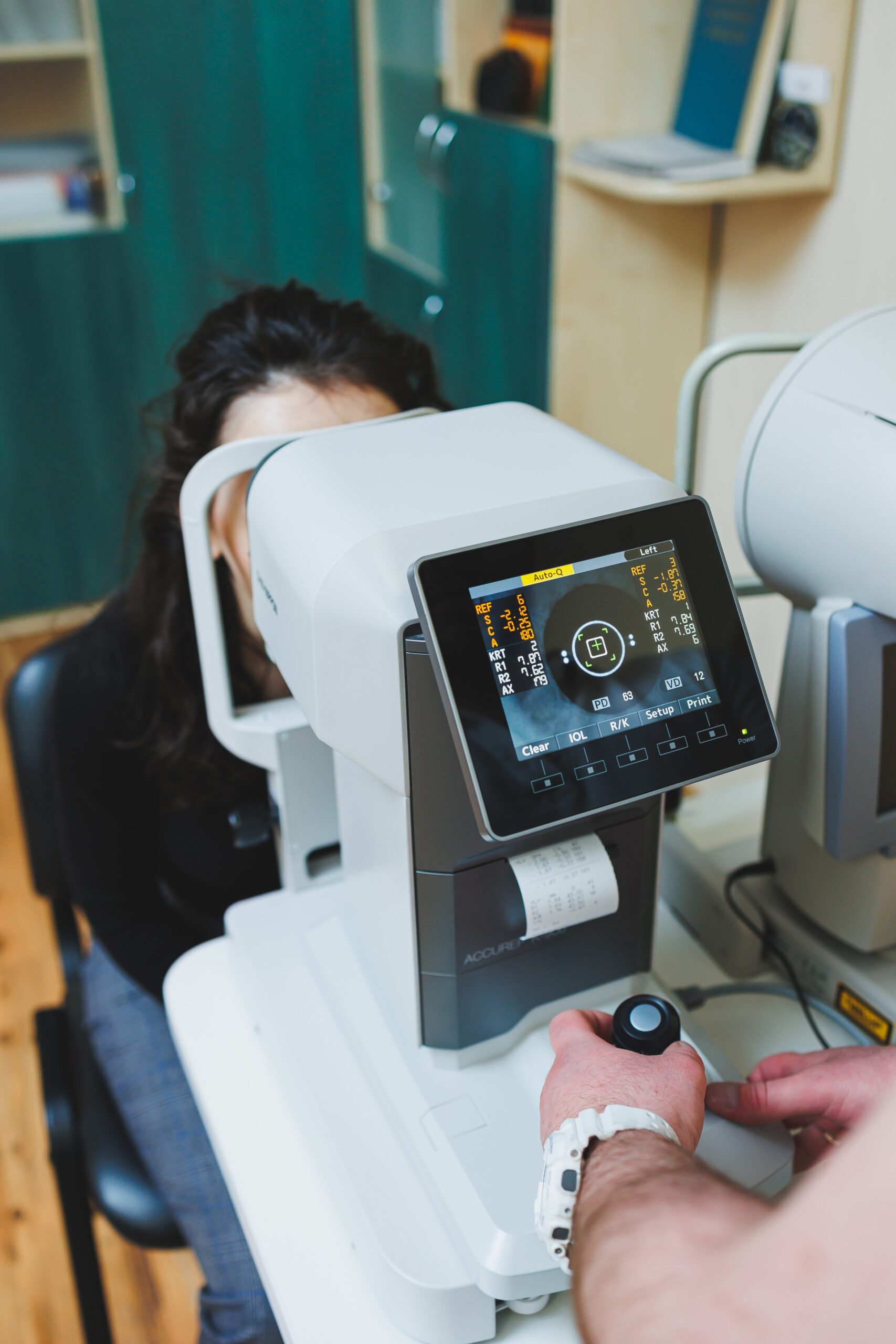
Features of Our Glaucoma Testing Process Rodriguez Optometry Clinics uses a combination of instruments and hands-on assessment for a complete view of your eye health.

Tonometry (Eye Pressure Measurement)

This test measures the internal pressure of your eye, known as intraocular pressure. While elevated pressure doesn't always mean glaucoma is present, it's one of the strongest indicators our optometrists watch closely.

Optic Nerve Evaluation

Using specialized imaging and a dilated eye exam, our team examines the shape, color, and condition of your optic nerve. Subtle changes in the nerve's appearance can signal early damage before pressure readings alone would suggest a problem.

Visual Field Testing

This test maps your peripheral vision to detect blind spots that may not yet be noticeable in everyday life. Since glaucoma typically affects side vision first, this step is often where early changes are first documented.

Corneal Thickness Measurement (Pachymetry)

Thinner corneas can affect how accurate pressure readings are and may indicate a higher personal risk for glaucoma, even with normal-seeming pressure levels.

What Is a Glaucoma Eye Examination?

A glaucoma eye examination is a focused set of tests designed to check the health of your optic nerve and measure the pressure inside your eye. Glaucoma develops when fluid builds up inside the eye, raising internal pressure to a level that gradually damages the optic nerve fibers responsible for carrying visual signals to the brain.
Because this damage happens slowly and usually without pain, a glaucoma eye examination is often the only way to catch the condition before it affects your daily life. Unlike a basic vision screening that just checks how clearly you see letters on a chart, a glaucoma exam looks at the internal structures of the eye itself.

Why Early Detection Matters

Vision lost to glaucoma cannot be restored, since damaged optic nerve fibers don't regenerate. This makes the timing of your exam more important than almost any other factor in managing the disease. Catching elevated eye pressure or early nerve changes gives you and your optometrist a real window to slow or stop progression before your peripheral vision starts to narrow.

Main Benefits of Regular Glaucoma Screening

Routine glaucoma testing protects your peripheral vision long before you'd notice any symptoms on your own, and it allows your optometrist to track subtle changes over time by comparing results from previous visits. It also helps identify risk factors such as thin corneas or elevated pressure, supports faster treatment decisions if early signs appear, and ultimately reduces your long-term risk of severe vision loss.
A glaucoma eye test isn't a one-time event either; repeat testing at recommended intervals builds a picture of how your eyes change year over year, which is often more valuable than any single reading.

How the Process Works, Step by Step

Your visit begins with an initial consultation, where we review your medical history, family history of glaucoma, and any symptoms you've noticed. From there, we move into pressure and structural testing, performing tonometry, pachymetry, and optic nerve imaging in sequence, followed by a short, guided visual field assessment that maps your peripheral vision.
Once testing is complete, your optometrist reviews the results with you in plain language and offers personalized recommendations, whether that means a follow-up interval or next steps if something needs attention. This structured approach means a glaucoma eye examination visit at our clinic never feels rushed.

Glaucoma Diagnosis and What Comes Next

A proper glaucoma diagnosis isn't based on a single number. Our optometrists weigh pressure readings, optic nerve appearance, visual field results, and your personal risk factors together before reaching a conclusion, helping avoid both false alarms and missed cases.

If a diagnosis is confirmed, we talk through glaucoma treatments appropriate to your situation. Depending on the type and stage, this might involve prescription eye drops to lower eye pressure, referral for laser therapy, or coordination with an ophthalmologist for surgical options in advanced cases. Our role is to monitor your condition closely and make sure you understand every option, without pressure to choose one path over another.

Why Choose Rodriguez Optometry Clinics for Glaucoma Screening in Davis, CA?

Choosing where to have your eyes examined matters, especially for a condition as easy to miss as glaucoma. At Rodriguez Optometry Clinics, the Rodriguez Optometry Clinics Team takes time to explain results clearly and treats every exam as a chance to catch problems early, not just check a box. We use modern diagnostic equipment alongside careful clinical judgment, and keep detailed records so results can be compared accurately across visits.
Scheduling is simple too. Whether this is your first glaucoma screening or ongoing monitoring, our team walks you through what to expect in terms that make sense, and we proudly serve patients throughout Davis, CA and the greater Yolo County area.
Frequently Asked Questions

Rodriguez Optometry Clinics offers contact lens exams and fittings at our Davis location, including specialty fittings for astigmatism and dry eye.

Plan for a longer visit than a standard eye exam. Corneal mapping, tear film testing, and a trial fitting all add time beyond a basic vision check.

Many vision plans include an annual fitting allowance, but specialty fittings for astigmatism or dry eye may be covered differently than standard ones. Share your plan details with our team and we’ll check your benefits before the visit.

Not always. Some issues, particularly dryness-related ones, only show up after several hours of wear, which is why a follow-up check is built into the process.

An annual re-evaluation is standard. Corneal shape, tear production, and astigmatism can all shift gradually, and your prescription needs to keep up.

That’s a normal part of fitting. Trial lenses exist so we can test comfort and vision stability before finalizing anything, so adjustments are expected rather than a sign something went wrong.

Who Should Schedule a Glaucoma Exam

Certain groups face a higher risk and should prioritize regular screening. This includes adults over 40, since risk naturally increases with age, as well as anyone with a parent or sibling who has glaucoma. People with diabetes or high blood pressure and those who have experienced previous eye injuries also face increased risk.

Population-level research also links certain forms of glaucoma more closely with African, Hispanic, and Asian ancestry, though individual risk still depends on your overall health history, not ancestry alone. If any of these factors apply to you, it's worth mentioning them at your next visit so your optometrist can tailor your screening schedule accordingly. An eye examination for glaucoma is quick, non-invasive, and could preserve vision you'd otherwise lose without realizing it.

Protecting your eyesight starts with knowing what's happening inside your eyes, not just how well you can read a chart.