Pediatric Eye Exams

Pediatric Eye Exams at
Rodriguez Optometry Clinics

Choosing the right provider for your child's vision needs starts with understanding what a proper pediatric eye exam actually involves. At Rodriguez Optometry Clinics, we've built our children's vision program around one simple idea: kids see the world differently than adults, and their eye care should reflect that.
Whether your child is starting preschool, struggling with reading, or simply due for a routine check, our team approaches every visit with patience, clear communication, and age-appropriate testing methods. A thorough pediatric eye exam does more than check for 20/20 vision it screens for conditions that can affect learning, coordination, and long-term eye health if left unaddressed.

Our Approach to Pediatric Vision Exams

We've designed our pediatric vision exam process to feel comfortable rather than clinical. Kids pick up on tension quickly, so we focus on making each visit feel more like a game than a test wherever possible.

Age-Appropriate Testing Tools

For infants and toddlers, we rely on tools like light-based reflex tests, preferential looking cards, and simple picture matching instead of letter charts. For older children, we gradually introduce more traditional testing as their reading and communication skills develop.

A Relaxed, Kid-Friendly Environment

Our exam rooms and waiting areas are set up with children in mind. We keep the pace of each visit flexible, allowing extra time when a child needs a moment to settle in before testing begins.

Clear Communication With Parents

After every pediatric eye exam, we walk you through the findings in plain language, without confusing jargon. If glasses, patching, or a referral to a specialist is needed, we explain exactly why and what the next steps look like.

What Is a Pediatric Eye Exam?

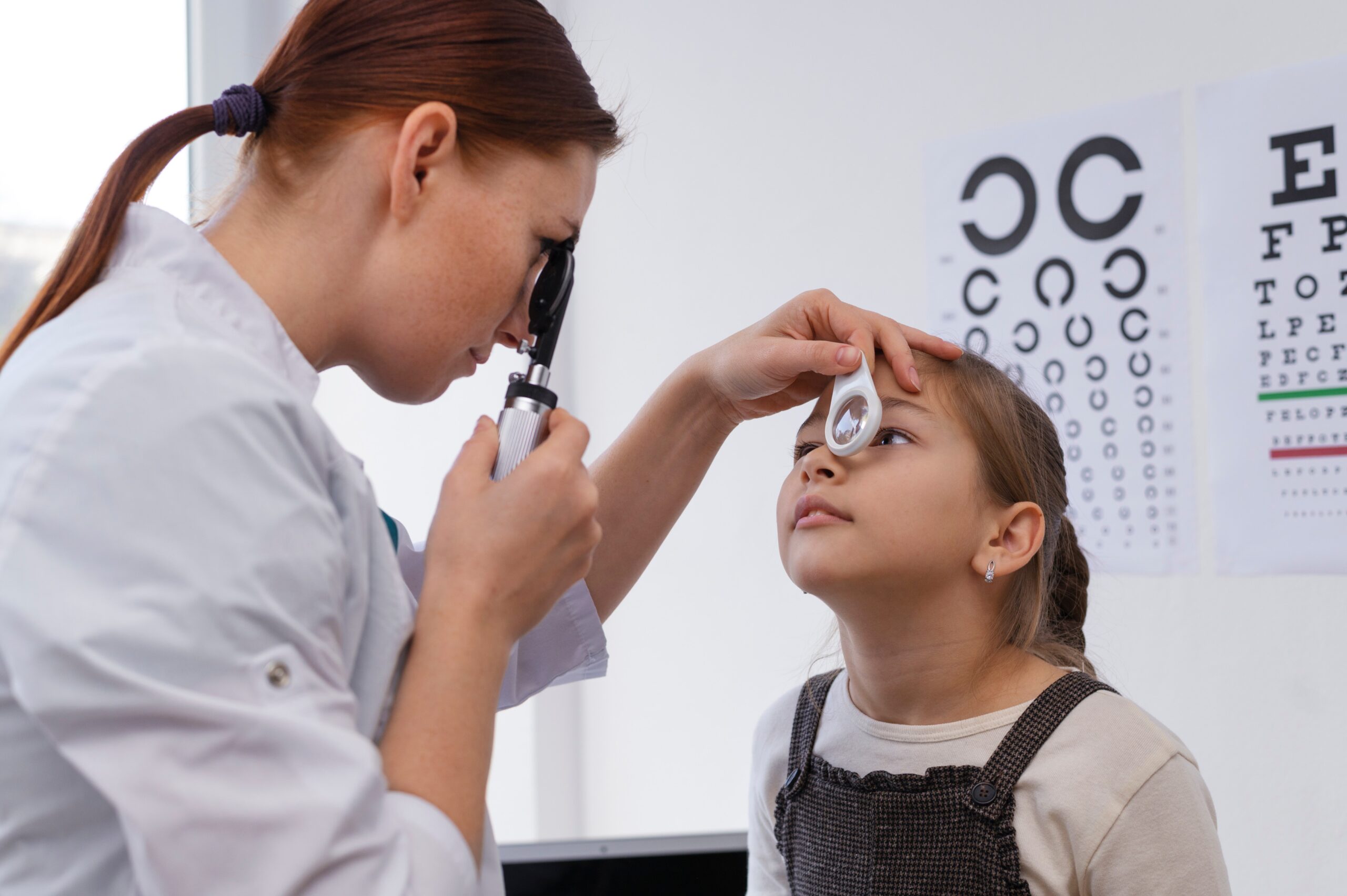
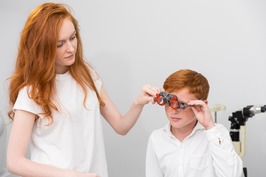
A pediatric eye exam is a specialized vision assessment designed specifically for infants, toddlers, and school-age children. Unlike a standard adult eye exam, it accounts for a child's developmental stage, attention span, and communication ability. Our optometrists use techniques and tools that don't rely on a child reading letters off a chart, which matters greatly for younger patients who can't yet identify the alphabet.

During the exam, we assess how well both eyes work together and check for signs of lazy eye (amblyopia), crossed eyes (strabismus), focusing problems, and refractive errors like nearsightedness or farsightedness. We also look at overall eye health, including the retina and optic nerve, to rule out anything that might need further attention.

Signs Your Child May Need an Eye Exam

Regular eye exams aren't just for people who already wear glasses. Adults, children, seniors, and contact lens wearers all benefit from routine checks with us.

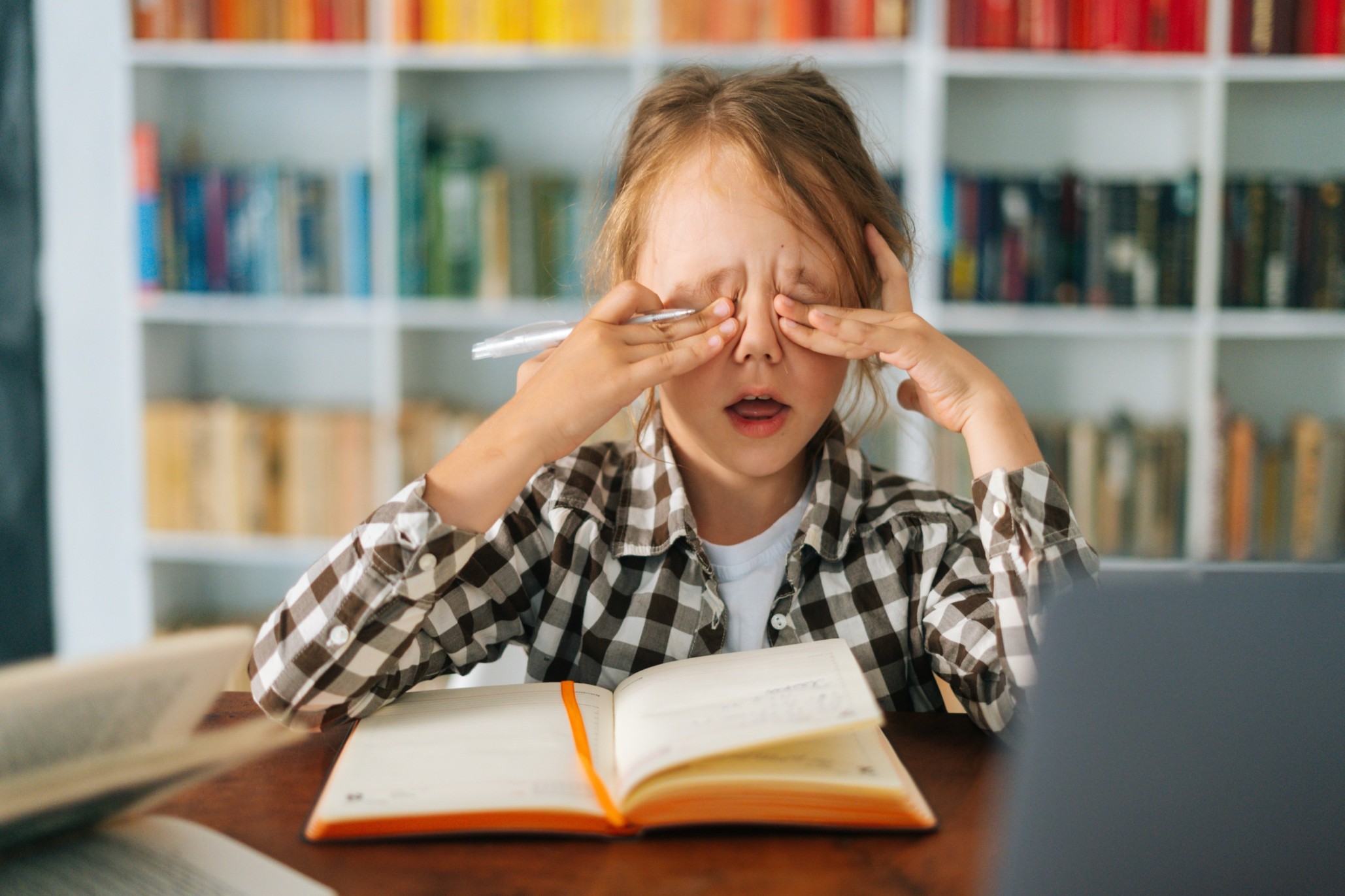
Because young children often can't describe vision problems clearly, it helps to watch for signs like:
  • Sitting very close to the TV or holding books too close
  • Squinting, tilting the head, or frequently rubbing the eyes
  • Avoiding reading or losing their place while reading
  • One eye appearing to drift or turn
  • Complaints of headaches after schoolwork or screen time
  • Struggling in class despite no other obvious cause

If you notice any of these, it's worth booking an exam sooner rather than waiting for the next scheduled check-up.

How the Exam Process Works

A typical visit follows a simple, unhurried sequence:
  1. History review — We ask about your child's medical background and any concerns you've noticed at home.
  2. Visual acuity testing — Using age-appropriate charts or symbols suited to your child's age.
  3. Eye alignment and movement check —To see how well both eyes work together.
  4. Refraction assessment — To check if corrective lenses are needed.
  5. Eye health evaluation — A look at the eye's internal structures.
  6. Results and next steps — We discuss what we found and outline options, whether that's glasses, a treatment plan, or a routine follow-up.
Appointments are scheduled with enough time for a full exam, and we always allow extra flexibility for children who need it.

Why Choose Rodriguez Optometry Clinics

Parents choose Rodriguez Optometry Clinics for pediatric eye care because we treat each child as an individual, not a checklist item. Our optometrists take the time to explain findings clearly, answer questions without rushing, and adjust their approach based on each child's comfort level and age.

We also understand that bringing a child in for any kind of appointment can be stressful for parents, so our team works to keep scheduling and check-in simple, letting you focus on your child rather than logistics.

Because vision needs change as children grow, we emphasize long-term care over one-off visits. Having a consistent provider who knows your child's history makes it easier to spot subtle changes early and adjust care accordingly.

Frequently Asked Questions

No. Our pediatric eye exam methods use pictures and shapes for children who can't read letters yet.

Most visits fit within a standard appointment slot, though younger children or those needing extra time may take a little longer.

Often, yes. School screenings typically focus on distance vision and may not catch issues like eye teaming or focusing problems, which a full pediatric eye exam is designed to check for.

We'll help you choose durable, well-fitting kids' frames and guide you through helping your child adjust to wearing them.

Supporting Healthy Vision Between Visits

A pediatric eye exam is an important part of your child's care, but healthy vision habits at home matter too. Encouraging regular breaks during screen time, ensuring good lighting for reading and homework, and watching for the signs listed above can all support what we check for in the exam room.

If you notice a sudden change in how your child sees or behaves visually, don't wait for the next scheduled visit reach out, and we'll help determine whether an earlier appointment makes sense.