
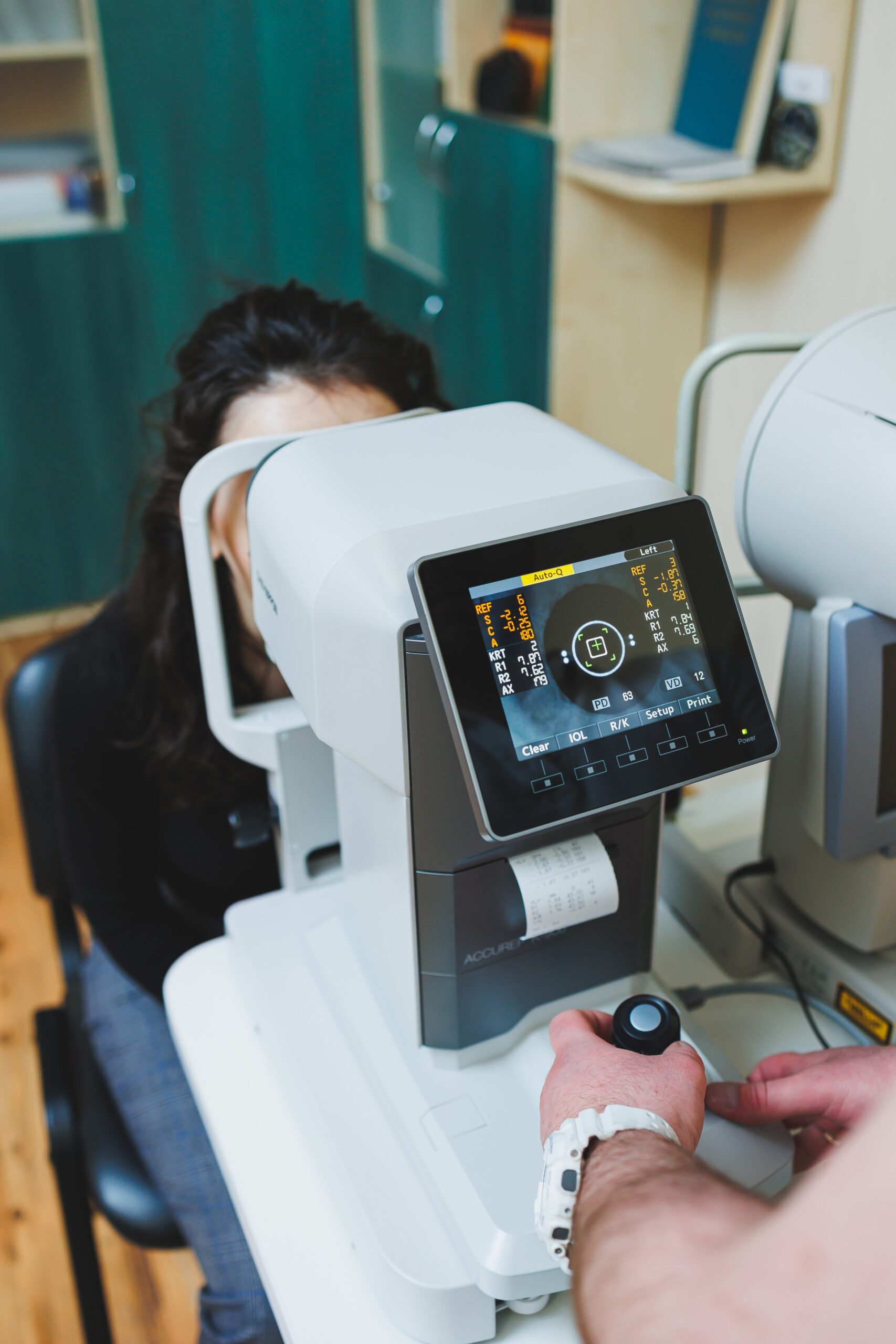
Choosing where to have your eyes examined matters, especially for a condition as easy to miss as glaucoma. At Rodriguez Optometry Clinics, the Rodriguez Optometry Clinics Team takes time to explain results clearly and treats every exam as a chance to catch problems early, not just check a box. We use modern diagnostic equipment alongside careful clinical judgment, and keep detailed records so results can be compared accurately across visits.
Scheduling is simple too. Whether this is your first glaucoma screening or ongoing monitoring, our team walks you through what to expect in terms that make sense, and we proudly serve patients throughout Davis, CA and the greater Yolo County area.
In most cases, yes. It usually takes a more detailed fitting and a lens material chosen to hold moisture while still correcting the irregular curvature. Your optometrist will confirm what’s appropriate after examining your eyes.
Rodriguez Optometry Clinics offers contact lens exams and fittings at our Davis location, including specialty fittings for astigmatism and dry eye.
Plan for a longer visit than a standard eye exam. Corneal mapping, tear film testing, and a trial fitting all add time beyond a basic vision check.
Many vision plans include an annual fitting allowance, but specialty fittings for astigmatism or dry eye may be covered differently than standard ones. Share your plan details with our team and we’ll check your benefits before the visit.
Not always. Some issues, particularly dryness-related ones, only show up after several hours of wear, which is why a follow-up check is built into the process.
An annual re-evaluation is standard. Corneal shape, tear production, and astigmatism can all shift gradually, and your prescription needs to keep up.
That’s a normal part of fitting. Trial lenses exist so we can test comfort and vision stability before finalizing anything, so adjustments are expected rather than a sign something went wrong.
Certain groups face a higher risk and should prioritize regular screening. This includes adults over 40, since risk naturally increases with age, as well as anyone with a parent or sibling who has glaucoma. People with diabetes or high blood pressure and those who have experienced previous eye injuries also face increased risk.
Population-level research also links certain forms of glaucoma more closely with African, Hispanic, and Asian ancestry, though individual risk still depends on your overall health history, not ancestry alone. If any of these factors apply to you, it's worth mentioning them at your next visit so your optometrist can tailor your screening schedule accordingly. An eye examination for glaucoma is quick, non-invasive, and could preserve vision you'd otherwise lose without realizing it.
Protecting your eyesight starts with knowing what's happening inside your eyes, not just how well you can read a chart.